
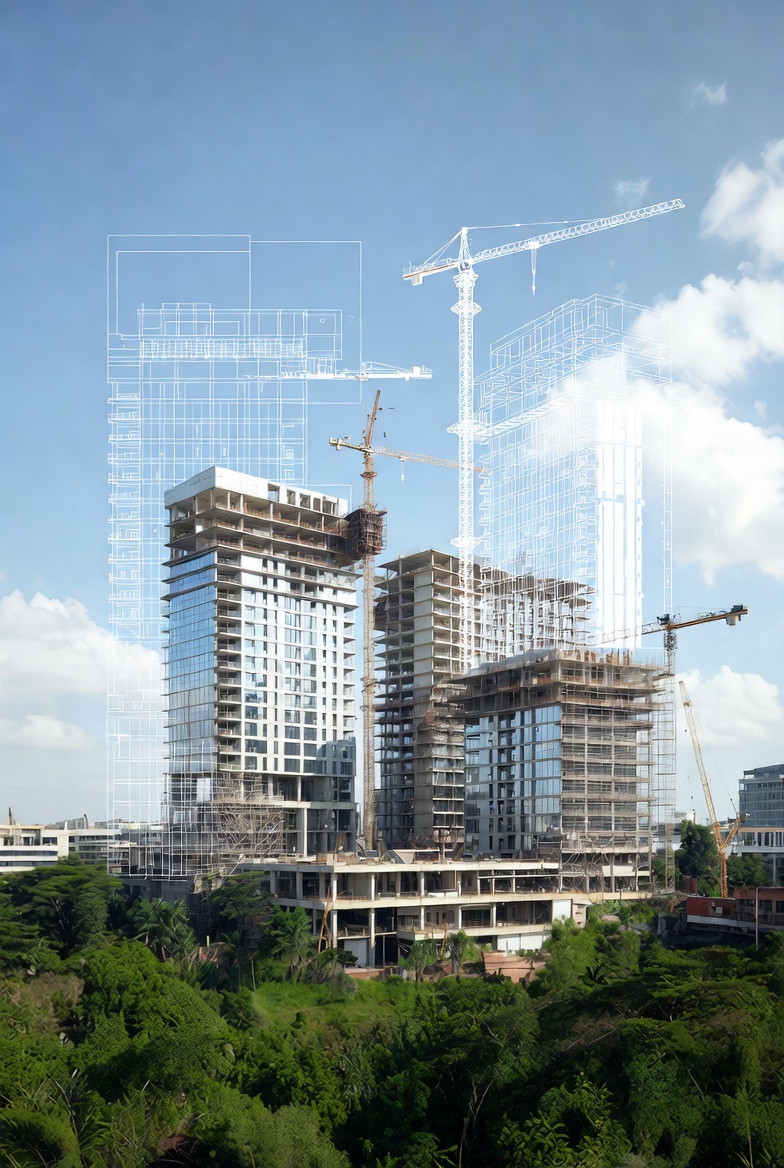
Navigating Off-Plan Real Estate in Kenya Without Getting Burned
Off-plan real estate—purchasing a housing unit before or during its construction phase—remains one of the most accessible paths to homeownership and high-yield property investment in Kenya. Developers offer units at 15% to 30% below market value, accompanied by flexible milestone-based payment plans.
However, off-plan buying also comes with inherent construction and developer risk. To reap the benefits while safeguarding your hard-earned capital, rigid due diligence is mandatory.
The Appeal: Why Buyers Choose Off-Plan
- Capital Appreciation: A unit bought at KES 5 Million during foundation stage may market at KES 7 Million upon completion.
- Structured Payments: Stretching deposits over a 18-to-24-month construction window avoids heavy initial financing burdens.
- Customization Options: Early buyers often get to select interior finishes, tiles, and fittings.
The Red Flags: How to Protect Your Money
1. Check the Developer’s Track Record
Never be the guinea pig for a first-time developer promising luxury finishes at rock-bottom prices. Inspect their completed past projects. Speak directly with current residents in those developments regarding build quality, completion timelines, and management post-handover.
2. Verify Land Ownership & Approvals
Does the developer actually own the land, or do they hold a joint venture agreement? Ensure the development has secured all necessary statutory approvals, including:
- NEMA (National Environment Management Authority) license
- County Government Approved Architectural Plans
- NCA (National Construction Authority) registration
3. Demand an Escrow Structure or Stage-Based Payments
Avoid developers requiring 50%+ upfront cash before breaking ground. Legitimate developers tie payment installments to concrete construction milestones certified by an independent project architect.
4. Examine the Sale Agreement
Have an independent property lawyer review the Sale Agreement. Ensure it contains:
- A clearly defined completion date.
- A grace period clause (typically 3–6 months for unforeseen delays).
- Specific penalty clauses if the developer defaults or delays construction indefinitely.



Join The Discussion